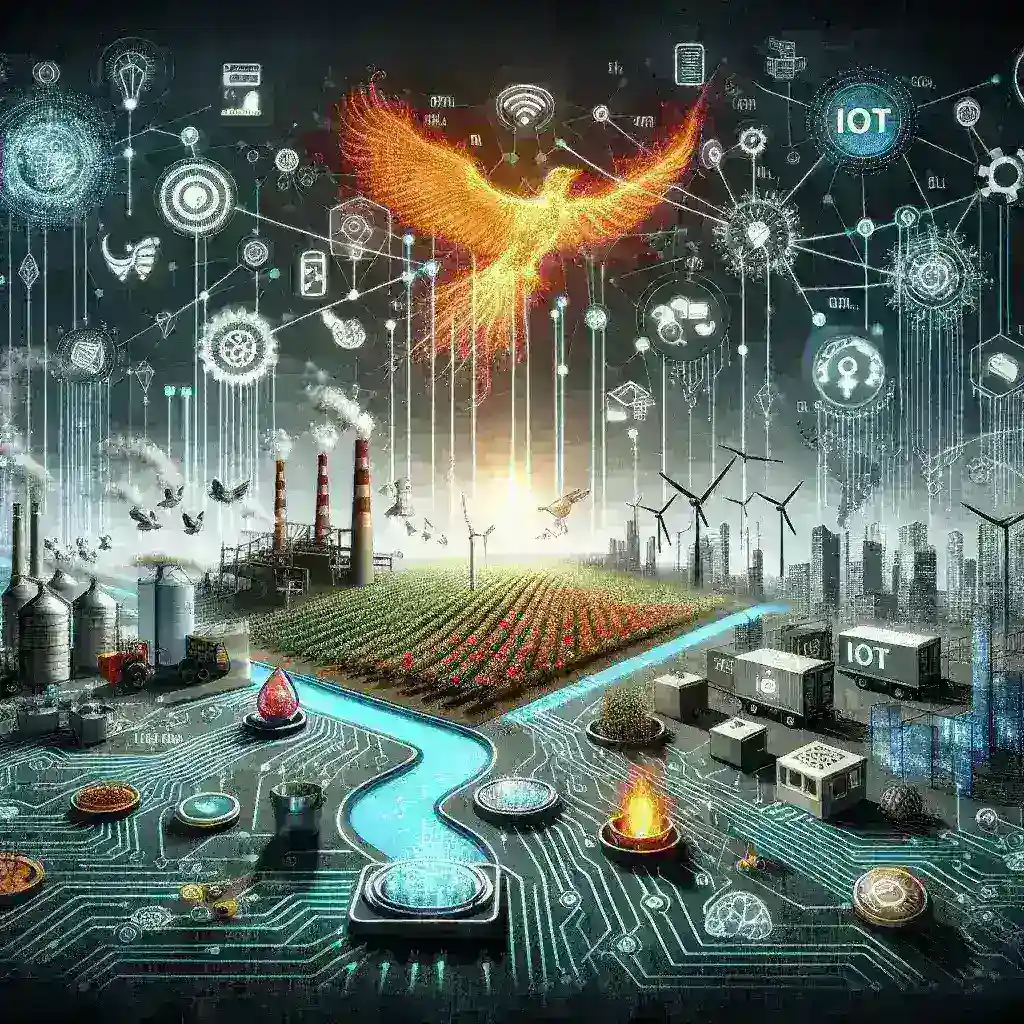
The Internet of Things (IoT) has emerged as a groundbreaking trend that is reshaping industries globally. By connecting devices and systems, the IoT generates a wealth of data that provides deep digital insights, leading to transformative changes across various sectors. In this article, we will explore how IoT-driven digital insights are fundamentally altering the landscape of industries such as manufacturing, healthcare, agriculture, retail, and transportation.
Understanding IoT and Its Significance
The concept of the Internet of Things refers to a network of interconnected devices that can collect, exchange, and analyze data. These devices range from wearables and smart home products to heavy machinery used in industrial settings. The significance of IoT lies in its ability to enhance operational efficiency, improve decision-making, and drive innovation.
The Evolution of IoT
IoT technology has its roots in the early days of the internet. However, it gained significant traction with the advancement of wireless technology, cloud computing, and data analytics. In the past decade, industries have increasingly adopted IoT solutions, leading to a surge in connected devices and data generation.
Historical Context
The journey of IoT can be traced back to the 1980s when the concept of connecting devices was first discussed. However, it wasn’t until the advent of IPv6 and the proliferation of smartphones that IoT truly began to flourish. By the late 2010s, billions of devices were connected to the internet, creating an ecosystem ripe for digital insights.
How IoT-Driven Insights Are Transforming Industries
Let’s delve deeper into how different industries are harnessing IoT-driven digital insights.
1. Manufacturing
The manufacturing sector has witnessed one of the most significant transformations due to IoT. Smart factories, equipped with IoT sensors and devices, can monitor machinery performance in real-time. This enables predictive maintenance, reducing downtime and optimizing production processes.
- Real-time Monitoring: IoT sensors allow manufacturers to monitor equipment and production lines, leading to quicker response times and enhanced productivity.
- Supply Chain Optimization: IoT provides visibility into the supply chain, allowing businesses to track inventory levels, shipments, and demand trends more effectively.
2. Healthcare
In the healthcare industry, IoT devices are revolutionizing patient care and operational efficiency. Wearable devices, like fitness trackers and smartwatches, enable continuous health monitoring, leading to better patient outcomes.
- Telemedicine: IoT devices facilitate remote consultations and continuous monitoring, which is particularly beneficial for chronic disease management.
- Data-Driven Decisions: Healthcare providers can analyze patient data collected from IoT devices to make informed decisions regarding treatment plans.
3. Agriculture
IoT technology is also making waves in agriculture, enabling farmers to utilize data for better crop management and resource allocation. Smart farming practices are becoming increasingly vital in addressing food security issues.
- Precision Farming: IoT devices help farmers monitor soil moisture levels, crop health, and weather conditions, allowing for precise irrigation and fertilization.
- Livestock Management: IoT solutions enable farmers to track the health and location of livestock, improving overall farm management.
4. Retail
The retail industry is leveraging IoT to enhance customer experiences and optimize inventory management. Smart shelves and connected devices provide retailers with valuable insights into consumer behavior.
- Personalized Shopping Experiences: IoT devices can track customer preferences and behavior, allowing retailers to offer personalized promotions and recommendations.
- Inventory Management: Smart inventory systems help retailers maintain optimal stock levels and reduce waste through real-time tracking.
5. Transportation
Transportation is another sector that is reaping the benefits of IoT. Connected vehicles and fleet management systems enhance safety, efficiency, and route optimization.
- Smart Traffic Management: IoT solutions can analyze traffic patterns, leading to improved traffic flow and reduced congestion.
- Fleet Monitoring: Companies can monitor vehicle health, location, and driver behavior, enhancing fleet efficiency and safety.
Challenges in IoT Adoption
Despite the numerous benefits, the adoption of IoT technology comes with its set of challenges.
Data Security and Privacy
With the vast amount of data generated by IoT devices, ensuring data security and privacy is paramount. Organizations must implement robust cybersecurity measures to protect sensitive information.
Integration Issues
Integrating IoT solutions with existing systems can be complex and may require significant investment and technical expertise.
The Future of IoT and Digital Insights
The future of IoT looks promising, with advancements in AI, machine learning, and edge computing complementing IoT technologies. As industries continue to adopt these innovations, we can expect even greater efficiencies and insights.
Predictions for the Next Decade
Experts predict that the number of connected devices will reach over 30 billion by 2030. This exponential growth will provide organizations with even more data, leading to more accurate insights and better decision-making.
Conclusion
IoT-driven digital insights are undeniably transforming industries by enhancing operational efficiency, improving customer experiences, and driving innovation. As organizations continue to embrace this technology, the potential for growth and improvement will only expand. Adopting IoT solutions is no longer a choice but a necessity for businesses looking to thrive in the modern landscape.




Leave a Reply